Plastic Waste Management through Capillary Wick System

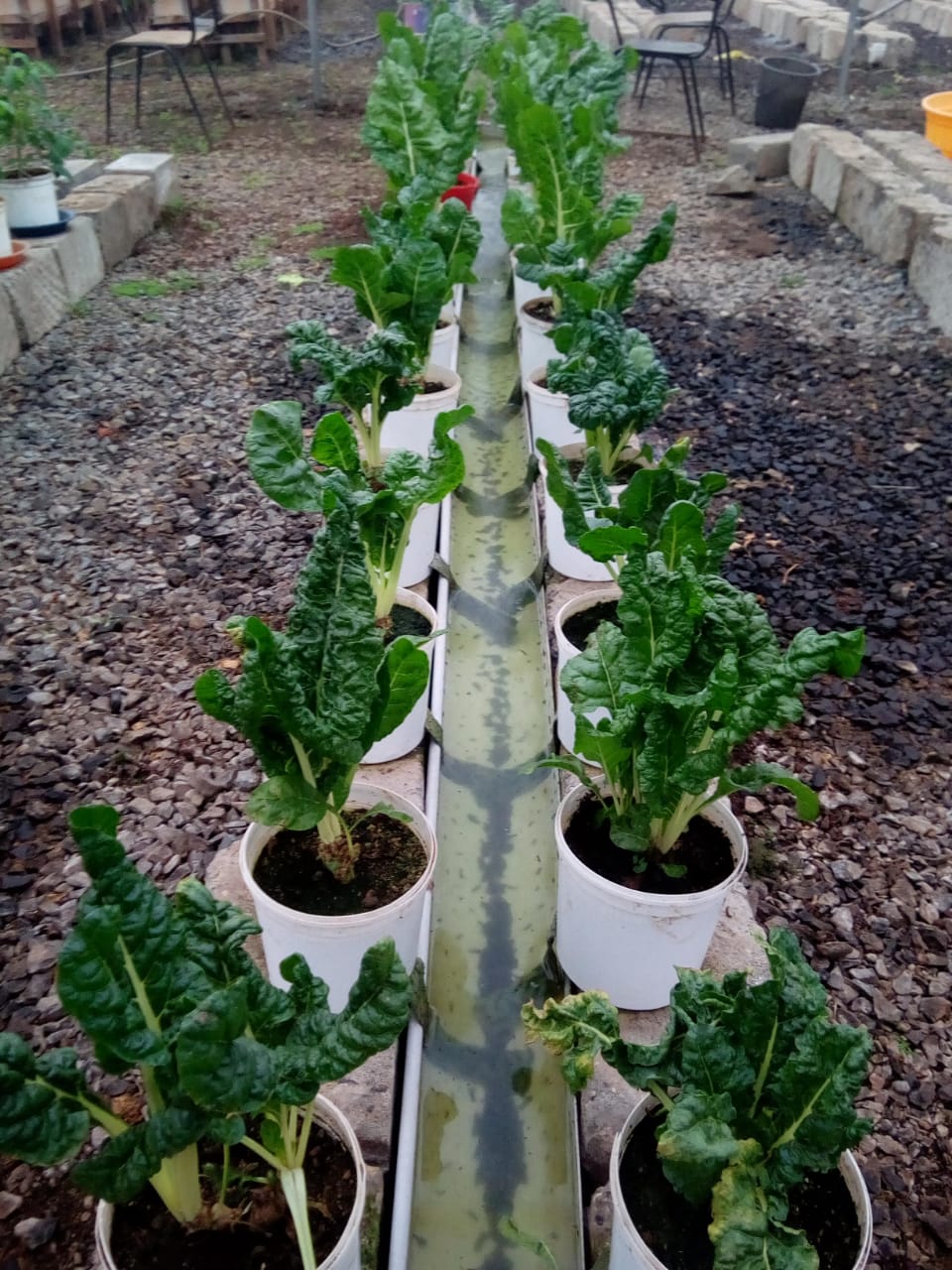
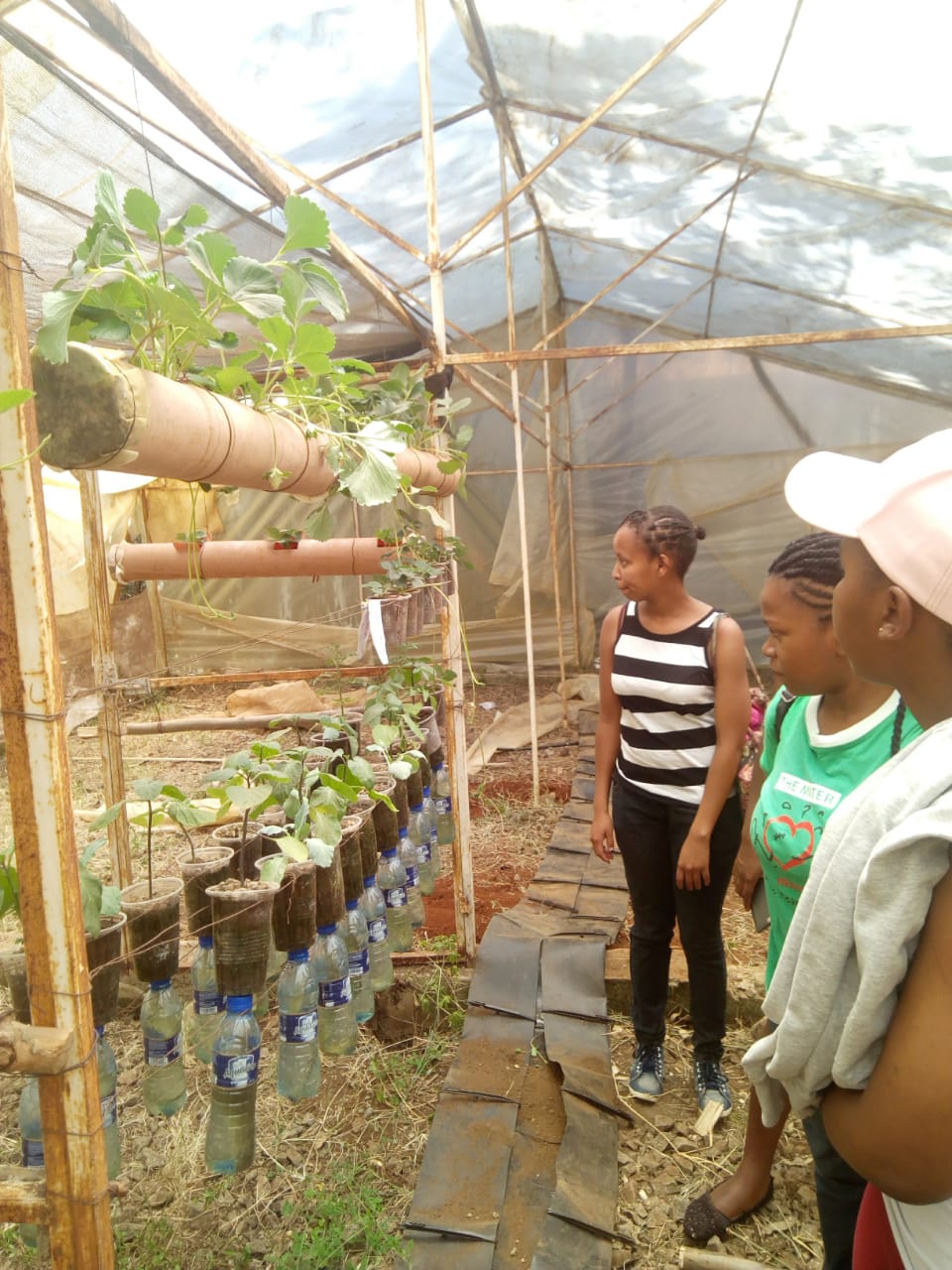
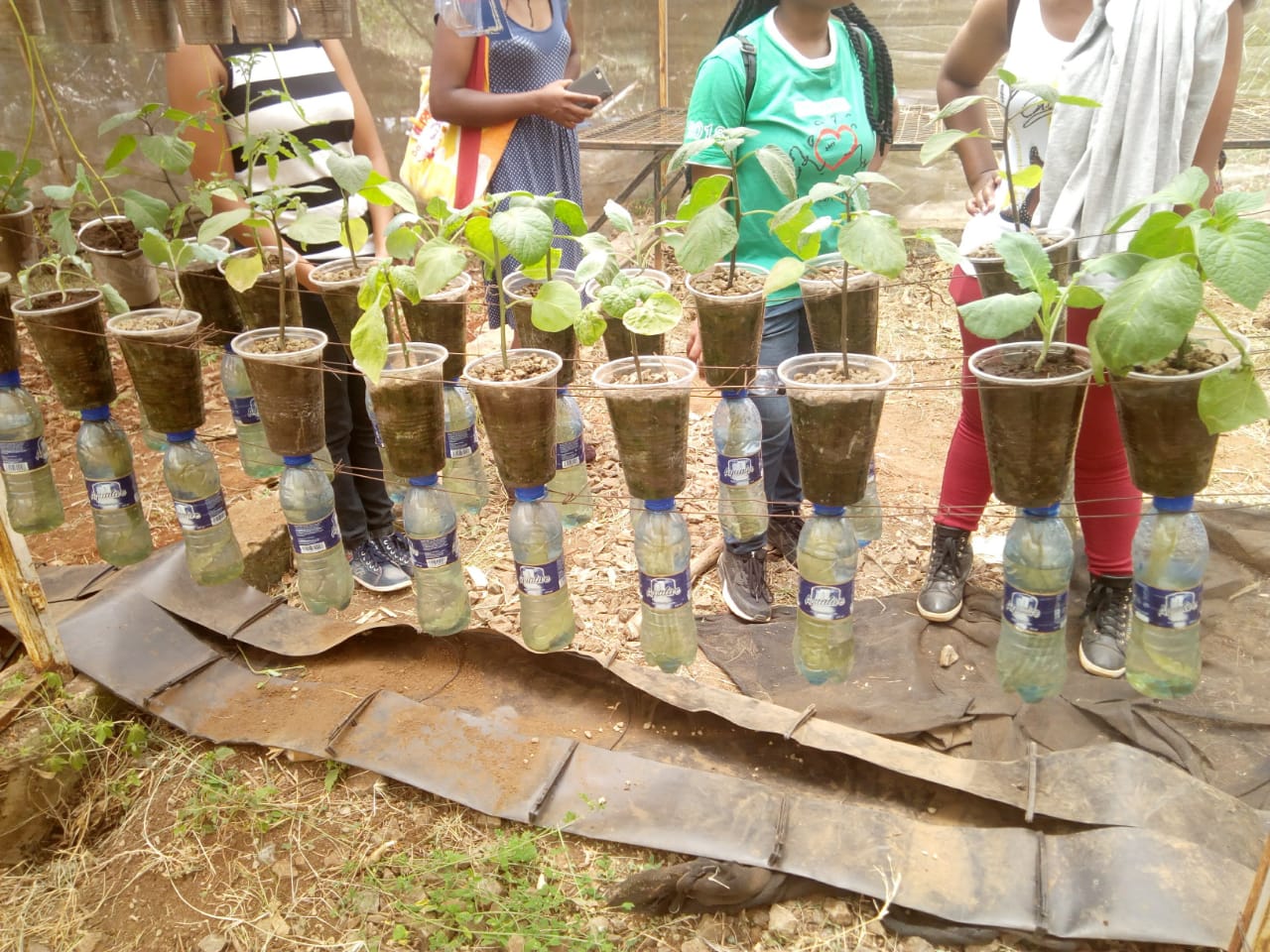
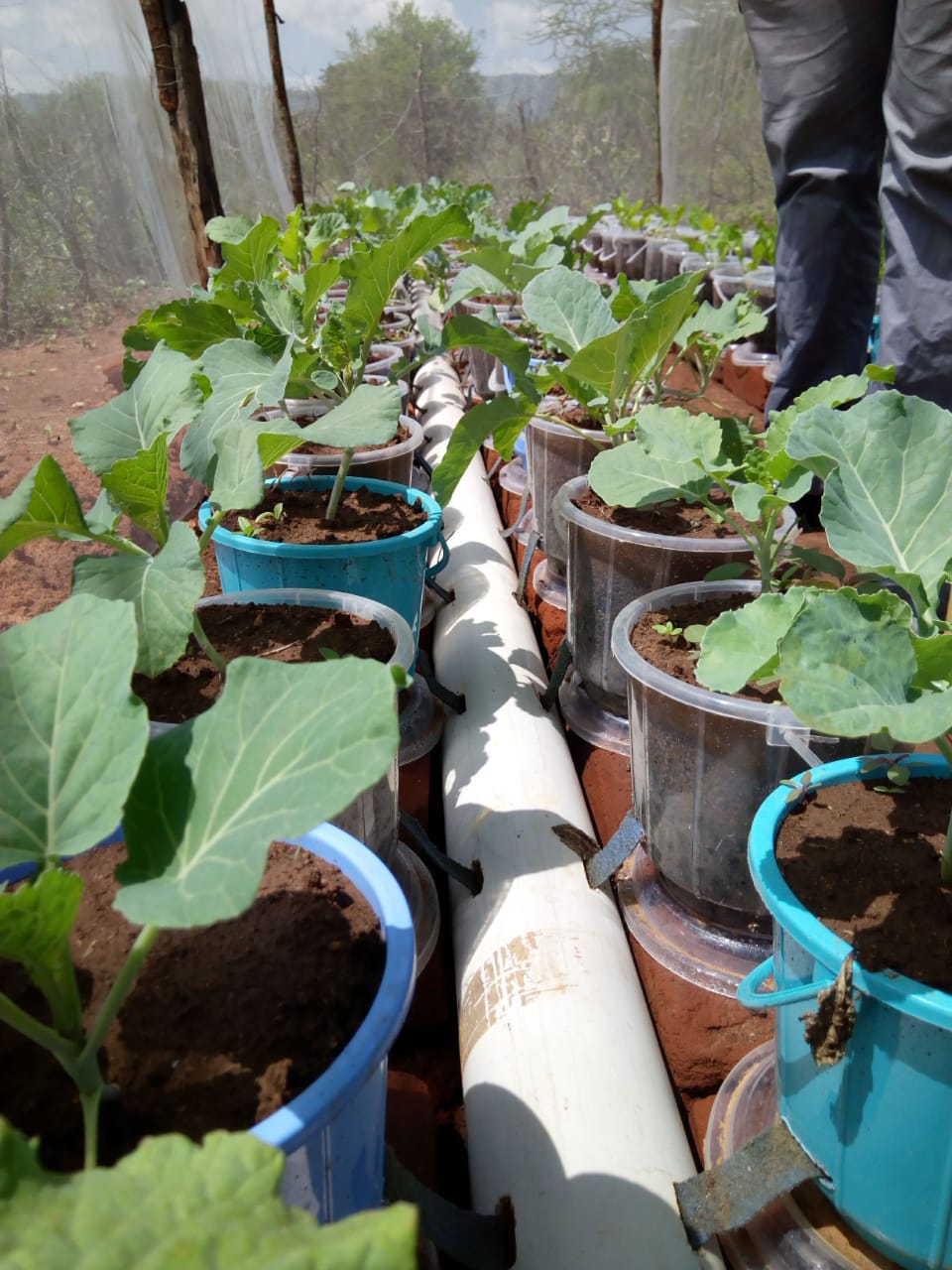
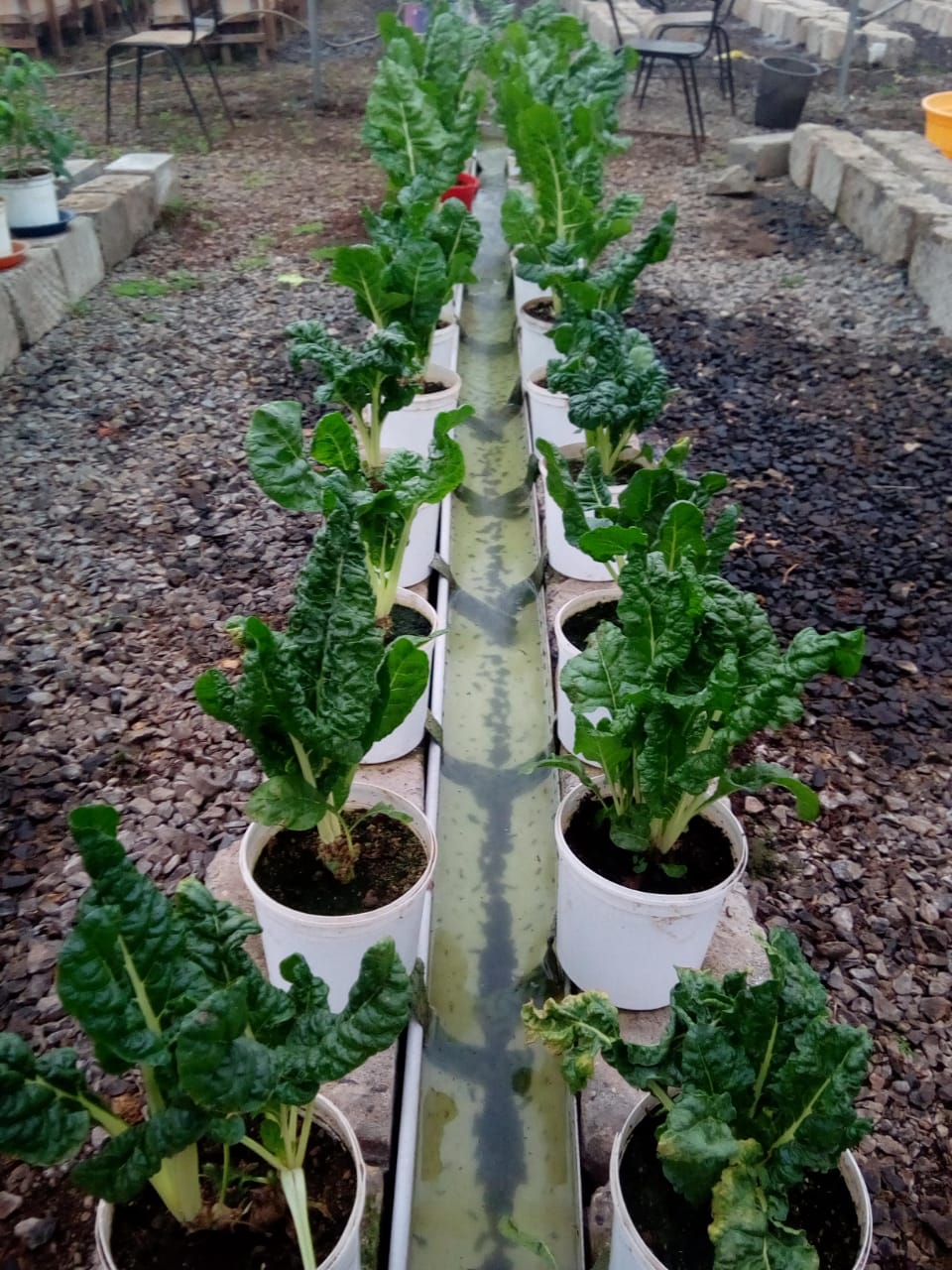
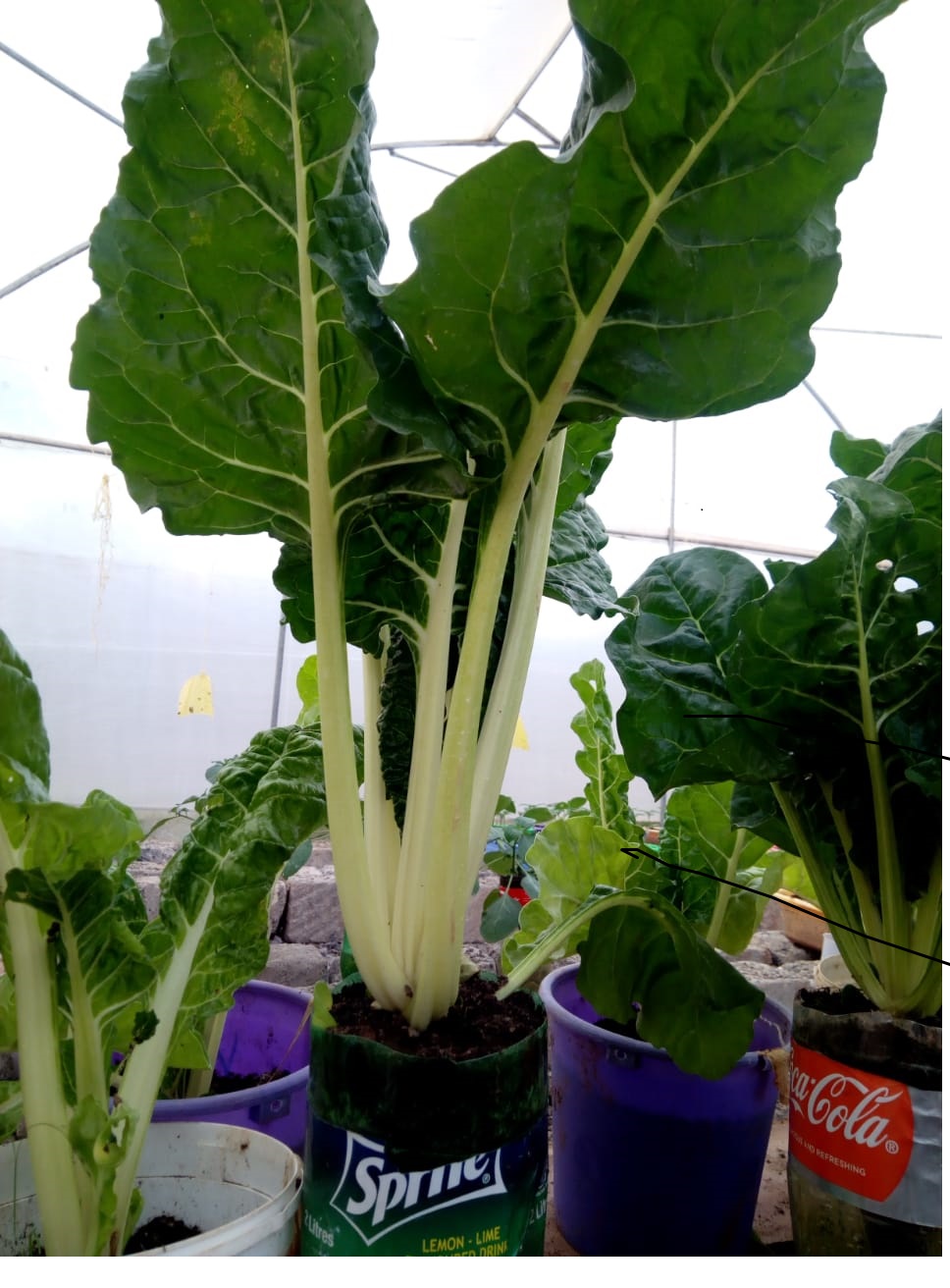
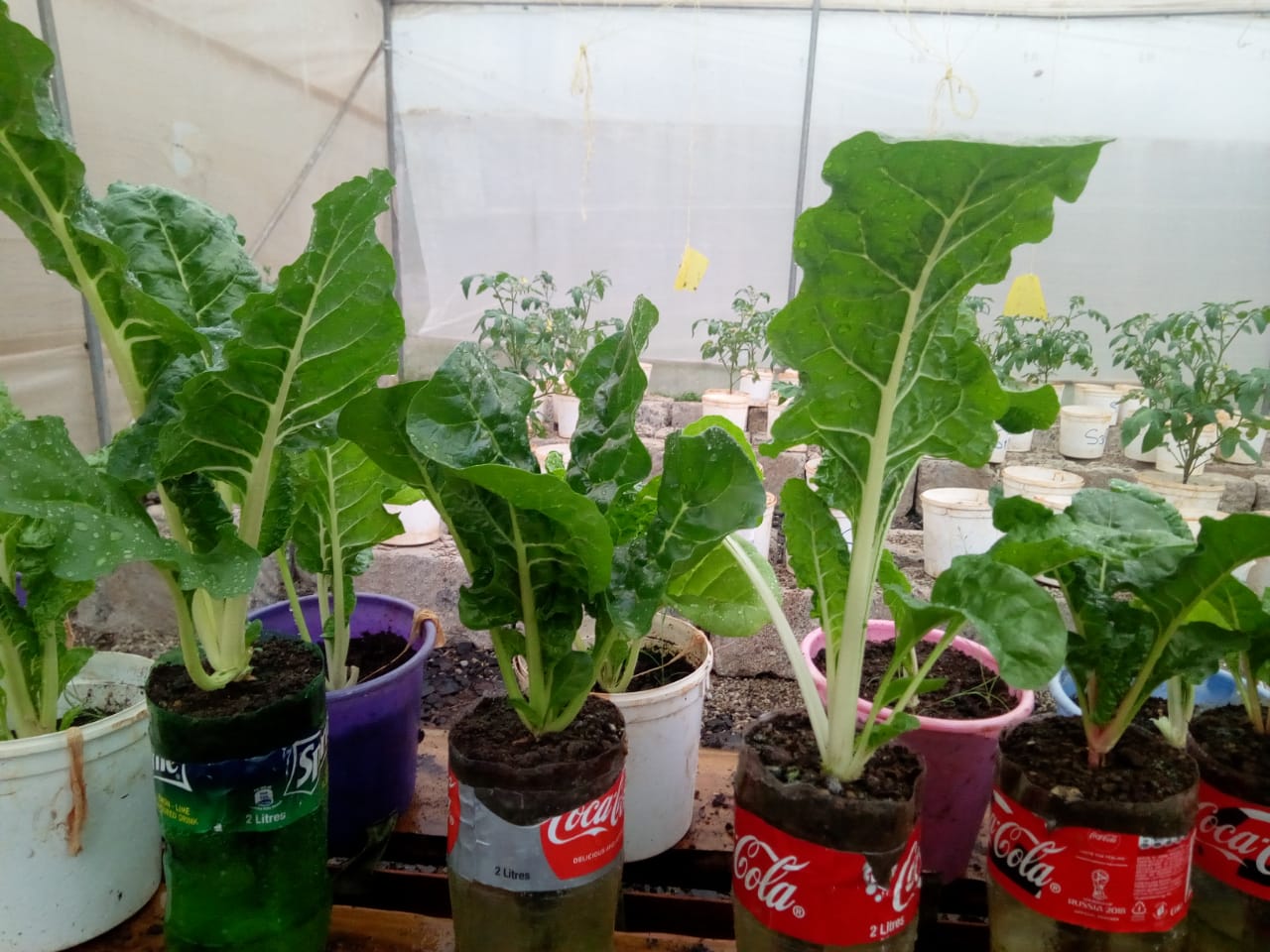
Through a research conducted at Jomo Kenyatta University of Agriculture and Technology conducted by Larry Mwendwa during his last year as a BSc Agriculture student in 2018, indicated that used plastic Coca-Cola bottles can be reused for agricultural production through capillary wick irrigation system. The plastic bottles were cut at the center and then inverted such that the lower side of the bottle acts as the water reservoir and the upper part acts as the planting media reservoir. The wick material was installed in the bottle such that is draws water from the reservoir which is the lower side of the bottle. In the media reservoir, Swiss chard and black night shade vegetables were transplanted and were watered automatically using by the wick installed, fertigation was also possible in this system without loss of any nutrients. After four weeks the system showed promising results hence this can be up scaled as a measure to manage plastic bottles waste especially in urban areas. The method is efficient and effective and in addition it uses less labor, reduced water and nutrients use, less space as it can even be done at the house balcony and still produce high yields, hence it’s a good modern farming model. Millions of waste plastic lay in dumpsites and it’s a nuisance and a threat to environment. If the bottles can be used for food production rather than as environmental degradation threat, it can be a significant milestone to food security and environmental conservation especially in urban areas.
HOW THE CAPILLARY WICK SYSTEM WORKS.

How the System Works
The technology it is simple though technical, the water is drawn by a wick material which is composed with of different ranges of compounds which facilitate movement of the water via capillary action to the growth medium after which the growing crops access water and minerals

Advantages of the system
The system uses up to 60% less water than normal water application systems.
Reduced nutrients application.
Reduced production time.
The system is less laborious and can be automated without electricity.
The quality and quantity of produce is very high per unit area.
There is reduced risk of diseases especially soil borne.
The system reduce time wastage and operational costs.
Cheap and easy to install and maintain and can be installed at any area especially for landless people.

Disadvantages
Requires technical support to install and maintain at initial stages but once understood it’s easy. Initial installation cost can be little high for low income small holders but once installed it’s very cheap.

The Capillary Wick Models

The vertical Systems

this can also be referred to as aerial

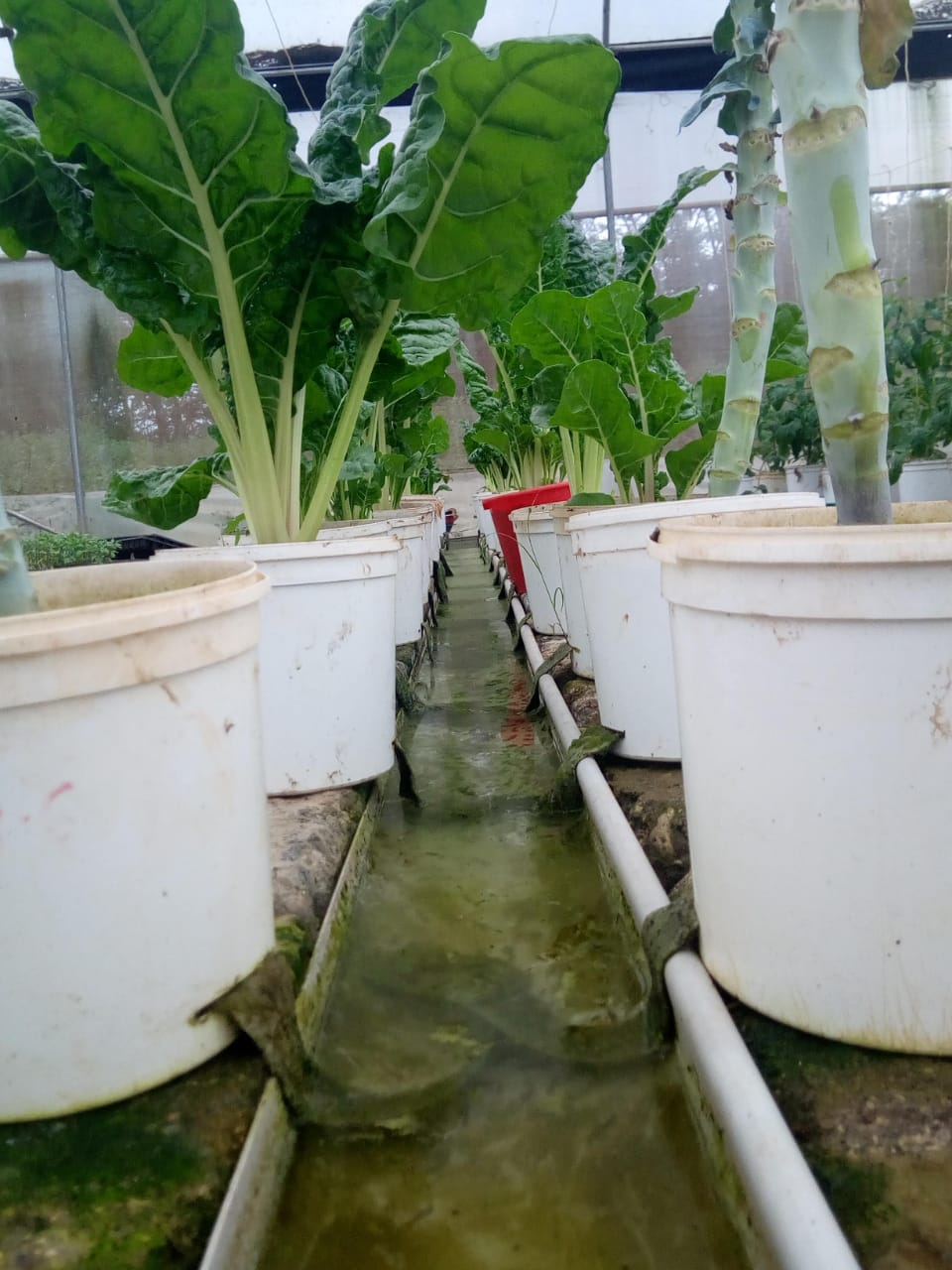
The Horizontal Gutter

CAPILLARY WICK SYSTEM

Introduction
Water scarcity in the world has a huge impact on food production. Without water people do not have a means of watering their crops and, therefore, to provide food for the fast growing population. According to the International Water Management Institute , agriculture, which accounts for about 70% of global water withdrawals, is constantly competing with domestic, industrial and environmental uses for a scarce water supply. In attempts to fix this ever growing problem, many have tried to form more effective methods of water management. Such methods include irrigation management, irrigation technologies such measured irrigation and hydroponics systems. Kenya being classified as a water scarce nation and Agriculture consuming 70% of its available water, water saving irrigation strategies could substantially increase the water available for other uses.
One of the efforts of ensuring water use efficiency is the use of drip irrigation, although it is not being used by many small scale farmers who cannot afford installing the system, hence they apply water manually using buckets and hosepipes, methods that are laborious and not efficient in water utilization. Therefore, there has been a need to develop irrigation systems which are simple, affordable and also with capacity for improved crop water productivity.
The Capillary wick irrigation system is the simplest of all types of hydroponic systems. That’s because traditionally it doesn’t have any moving parts, thus it doesn’t use any pumps or electricity. However some people still like using an optional air pump in the reservoir. Because it doesn’t need electricity to work, it’s also quite useful in places where electricity cannot be accessed, or is unreliable. Capillary Wick Irrigation System (CWS) is a sub-irrigation system that involves the use of a device that delivers water by capillary movement from a reservoir to the plant growing medium. Sub-irrigation systems save on labour, time and water costs compared to conventional watering systems
Lurrywick Consultancy
Plants that are grown in pots are more economical and efficient than overhead irrigation systems. Capillary Wick Irrigation System is suitable for greenhouse production to increase efficiency of water and nutrient use in production of crop plants. The system results in higher quality produce, there is reduced water loss as there is no runoff, reduced labor costs, reduced incidences of diseases among other advantages such as saving on time and operational costs. This innovative method is also easy and cheap to install and operate and thus suitable for small scale farmers in Kenya.
This system is not currently used in Kenya and is therefore necessary to evaluate its performance in order to determine its suitability in greenhouse vegetable production. Use of locally available material can ensure that the system is affordable to the resource poor farmers.


Larry Mwendwa a BSc Agriculture graduate from Jomo Kenyatta University of Agriculture and Technology and owner of Lurrywick consultancy, is recognized for his love of solving food insecurity problem through hydroponics technologies. In an attempt to experiment and evaluate the effectiveness of capillary wick system using local materials such as plastic wastes, he established that this system is beneficial to vegetables farmers especially to farmers in the dry lands of Kenya, because the system is capable of reducing water use to about 60% less than the conventional irrigation methods. Therefore for farmers with less rain harvested irrigation water, borehole or near water sources can utilize this technology, first for household food and surplus to generate income. This system is therefore a good model for sustainable substituent and commercial vegetable production.

SPICE UP YOUR COMMON DISHES BY ADDING MUSHROOMS!


Mushrooms are known to add complexity and flavor depth to your simple dishes when added. I gathered for you some of the ways you can incorporate mushrooms to common dishes.

  • Mushrooms are good to add in groundnut soup and fresh peas stew.
  • They also taste nice when added to Matoke (green bananas) with carrots and onions.
  • Mushrooms are great for adding to some pasta sauces.
  • They can be added to alfredo sauce as well.
  • Mushrooms can be added as fillings in paninis, sandwiches and many other lunch staples for a very substantial sort of flavor. You can also try making a Portobello mushroom sandwich.
  • Use mushrooms to amp up your pizzas by adding them as toppings.
  • If you don’t like being a boring vegan, this is a great way of cooking mushrooms for steak, you can even add them up to the meat dishes to get that extra flavor. They go best with chicken or beef. They are also a very common topping for roasts and best for steak.

Enjoy eating mushrooms in every dish!

MUSHROOM GROWING PROCESS

I have been silent but now I am back with a simple process of how mushrooms are grown. Hope you enjoy and think about mushroom farming as a business.

1.Prepare the substrate

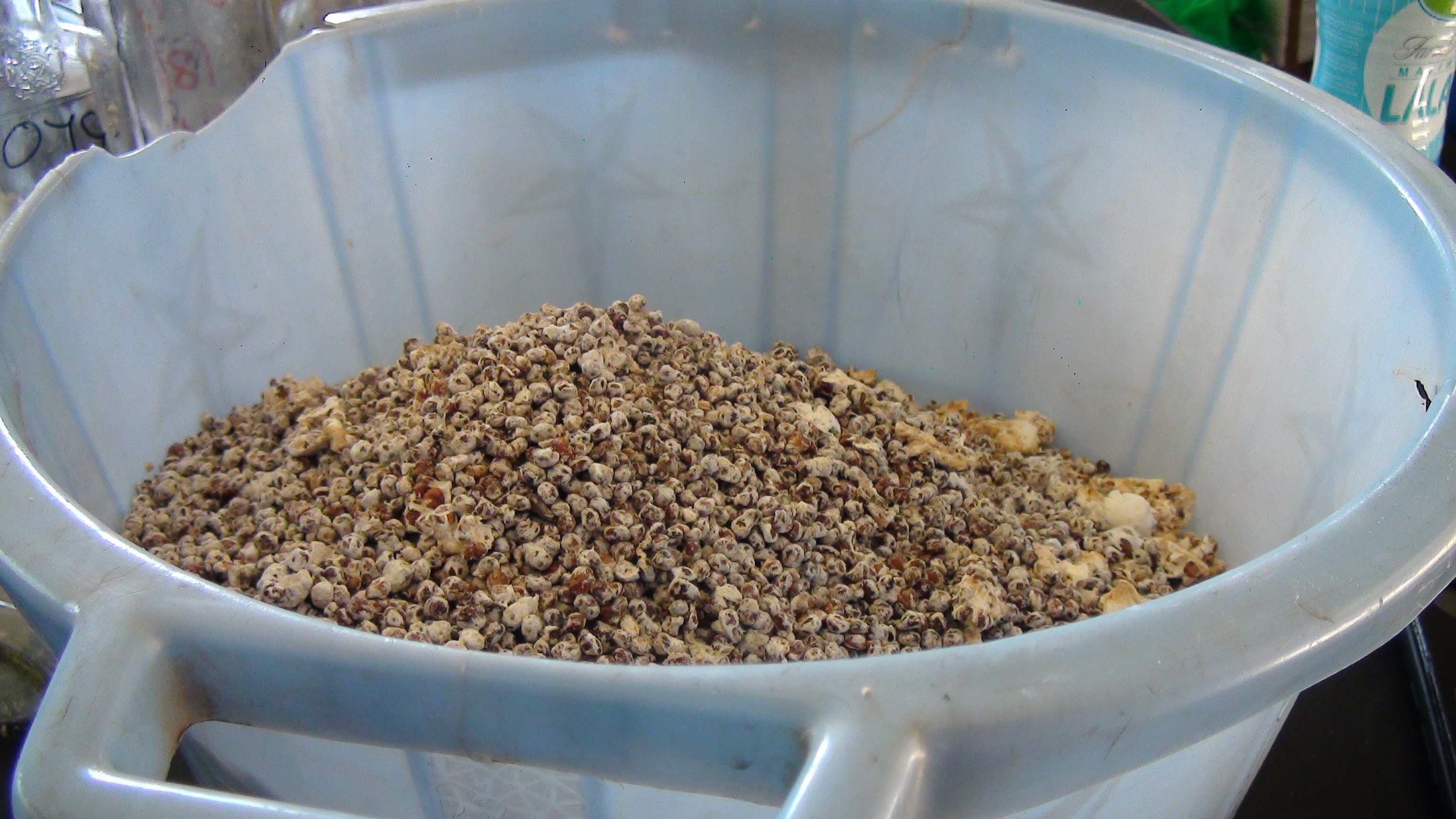
First, wet the straw. Now it’s time to heat the straw in boiling water. Continue boiling for half an hour and then remove the straw and drain it. Next, spread out the straw on a clean surface and let it cool down. then lightly sprinkle the spawn on top.

DSC00190 - Copy


2.Pack the plastic bags

Pack plastic bags with the straw and spawn. Pack two or three inches of straw into the plastic bag and Repeat this until you’ve almost filled the bag, close the top and poke holes in the bag.


3.Incubation

It’s time for incubation. Keep the growing area at around 78 degrees F. Places the bags on a shelving unit. Remember to stop any threats of natural light getting into the room. Cover windows and cracks. Use a red “darkroom” light when you need to check on your bags. When you start to notice tiny pinhead mushrooms near the air holes in your bag, then you’re ready to move on to the next step.

DSC00212.JPG

4.Fruiting

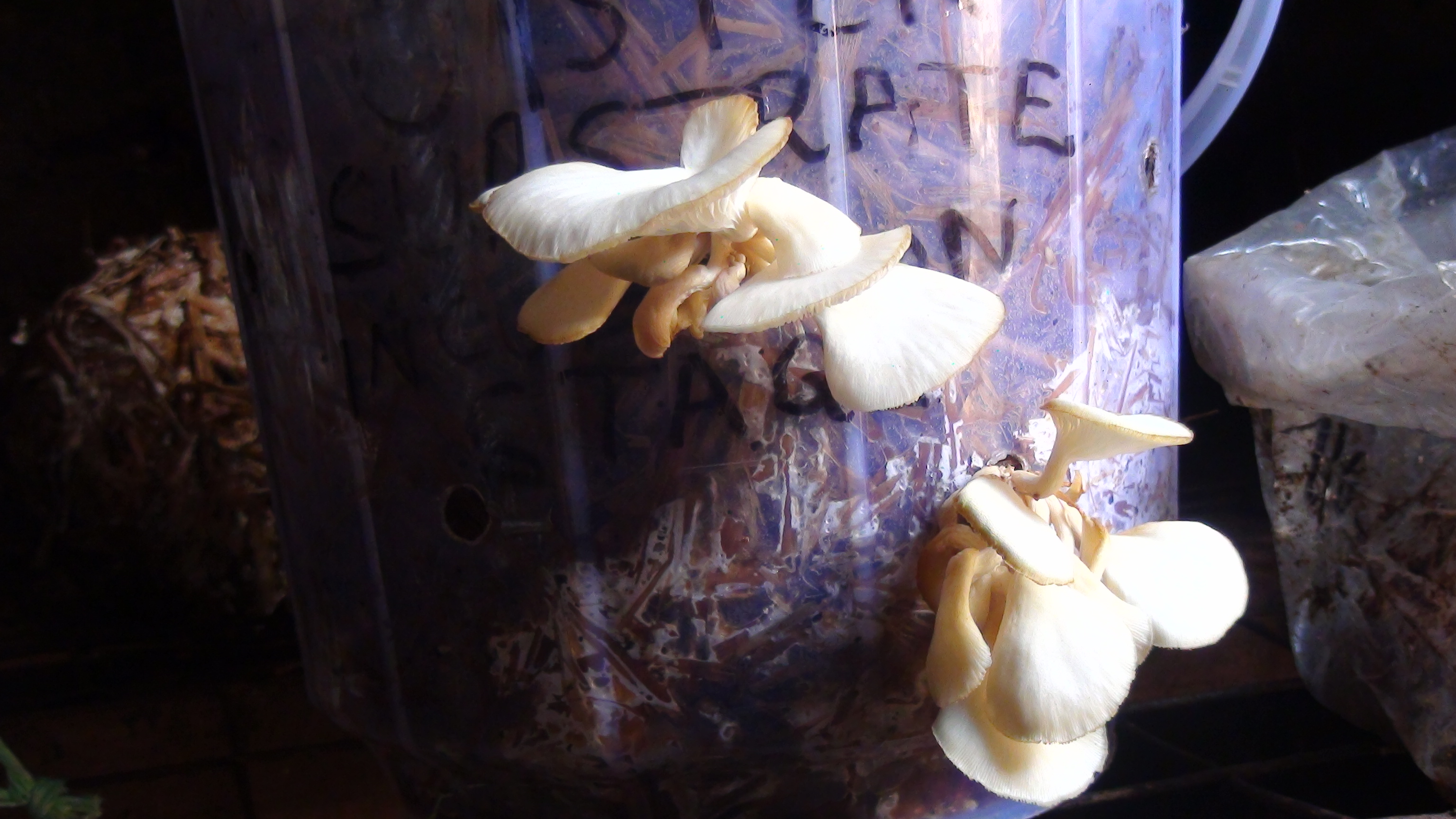
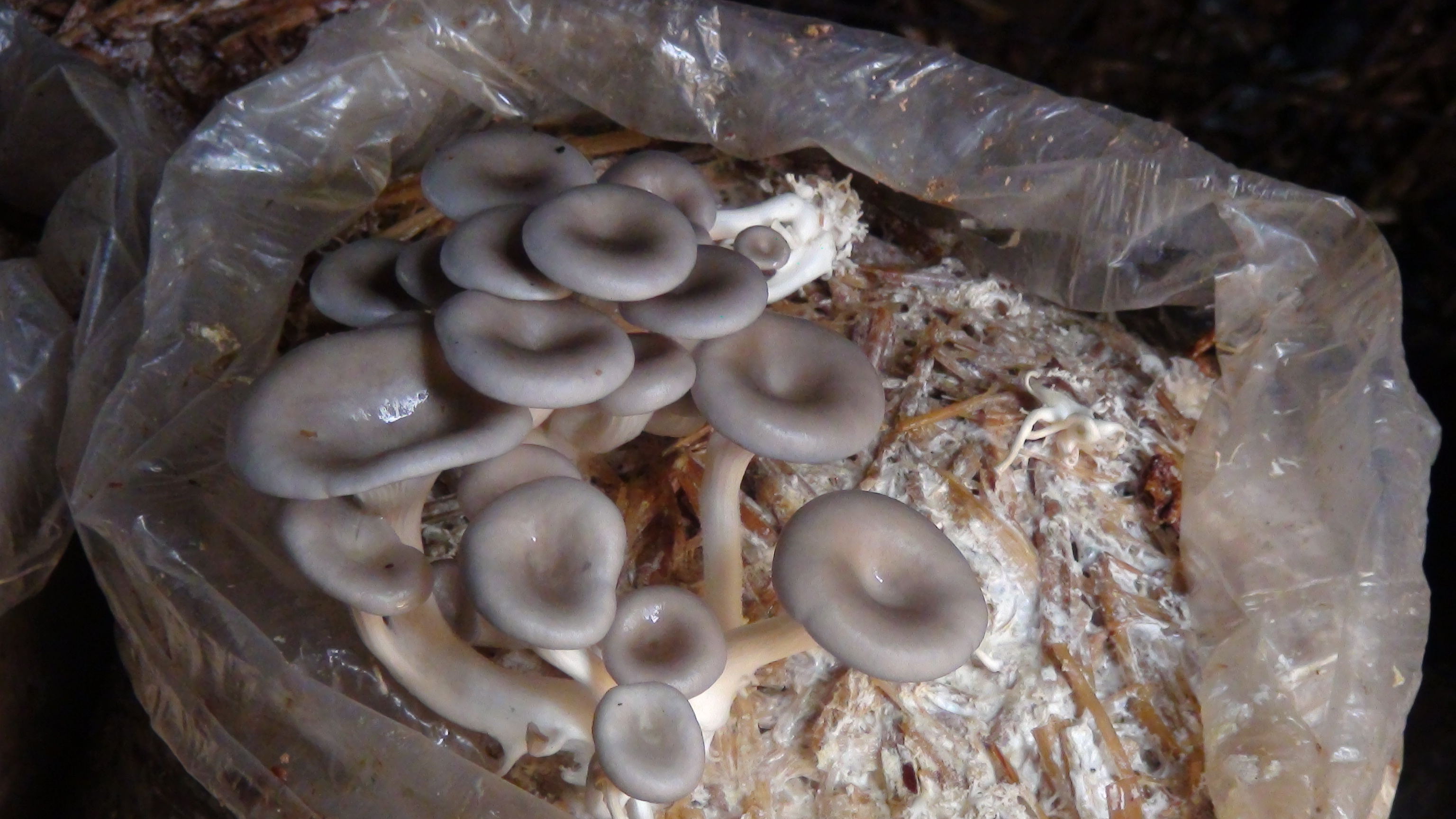
For your fruiting room, you need a high level of humidity. The temperature will need to be 65 to 70 degrees F. Unlike the incubation room, you’ll actually need a lot of natural light—at least 12 hours a day. To shock your mycelium, which will force it into fruiting, move the bags to a cool place for a day, such as a basement or other cool place, and then move them back to the fruiting room. Next, cut away the bag, which allows mushroom growth to take place.

DSC00208.JPG

DSC00210.JPG

5.Harvest

Just before your mushroom caps are fully uncurled, that’s when it’s time to harvest. To do so, twist the stem off as near to the growing block as you are able to. You’ve now harvested your mushrooms.


FAMOUS OYSTER MUSHROOM!

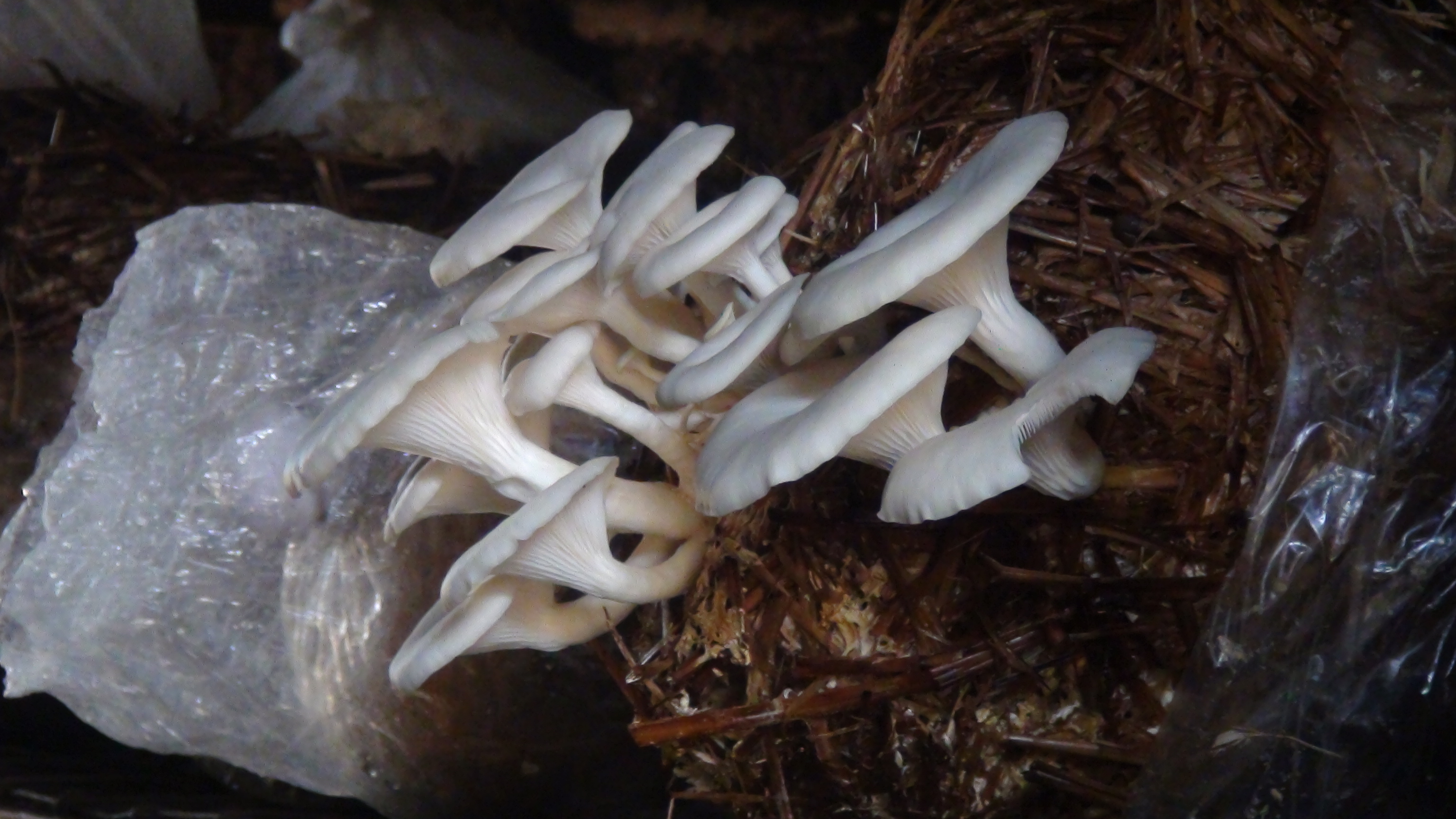
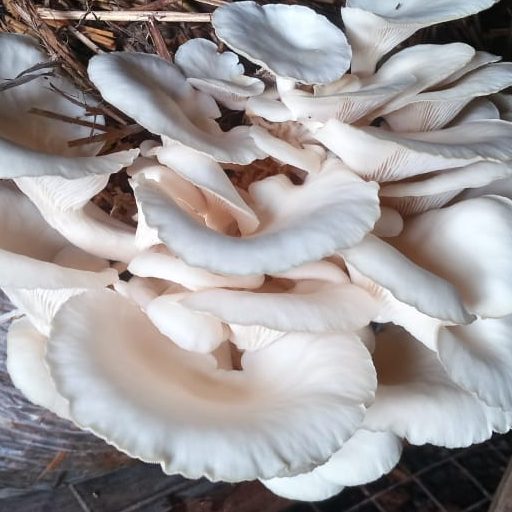
Oyster mushrooms were originally cultivated in Germany during World War I as a means of sustenance when food was scarce. Today, these nutritious mushrooms can be found growing wild across North America, Europe and Asia and are also grown for commercial use around the world. Oyster mushrooms are now grown in Kenya.

With their white, shell-like appearance, oyster mushrooms received their name due to their similarities in appearance to the oyster. These mushrooms are considered saprotrophic, which means that they feed on dead and decaying material like wood. The cap can grow between two to 10 inches in size, and they can range in color from white to dark brown.

Interestingly, the oyster mushroom is one of the few types of mushrooms that is considered carnivorous. These mushrooms release a chemical with an appealing smell to draw in microscopic nematodes, then use their mycelia to paralyze, kill and digest the creatures as a way of obtaining nitrogen.

HEALTH BENEFITS

Oyster mushrooms have high content of antioxidants as well as anti-inflammatory properties which are able to help inhibit the growth of certain types of cancer, making oysters mushrooms potential cancer-fighting foods.

oyster mushrooms contain significant levels of zinc, iron, potassium, calcium, phosphorus, vitamin C, folic acid, niacin, and vitamins B-1 and B-2. 

Oyster mushrooms are rich in many of the nutrients believed to enhance brain function.Niacin, for instance, has been shown to protect against Alzheimer’s disease and cognitive decline in older adults in clinical research. 

Oyster mushrooms are low in calories but contain a good amount of protein, fiber, niacin and riboflavin, along with an array of other micronutrients.

Try out Oyster mushrooms today and share your experience! If you are thinking of growing mushrooms for business, JKUAT mushroom training center is the place to visit.

JKUAT TRAINING!TRAINING!

There is a training on mushroom growing as a business at Jomo Kenyatta University of Agriculture and Technology . This is your chance don’t miss out!

Please check the link below for more information.

2019-MUSHROOM-GROWING-3-full-days-Training

CONTACT PERSON- PATRICK KANYI MUCHIRI – 0721167244.

MUSHROOM SEED TYPES GROWN IN JKUAT

Spawn (mushroom seeds) have a variety which include;

cropped-whatsapp-image-2019-04-01-at-13.05.39.jpeg
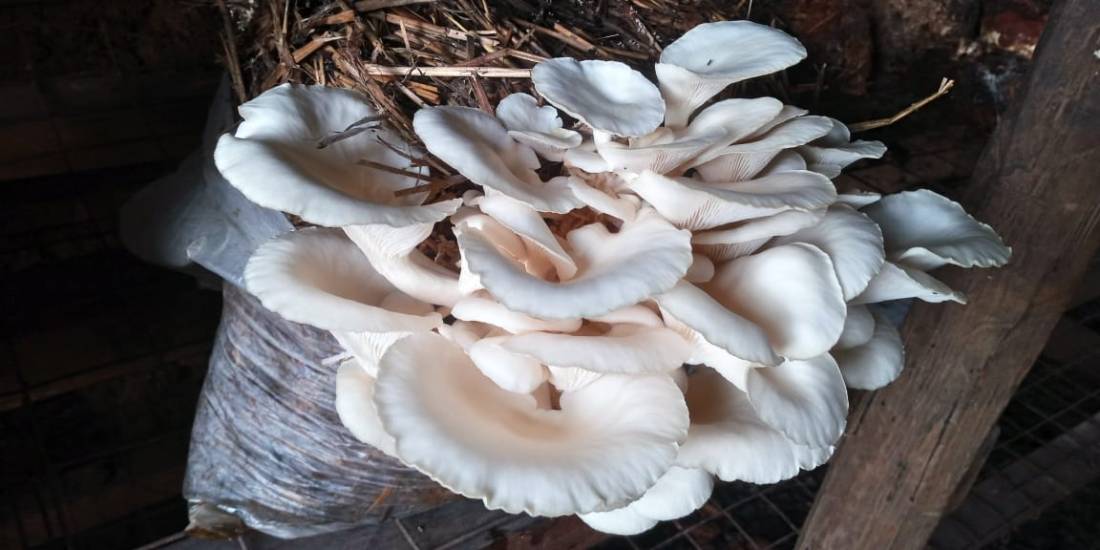
oyster mushroom

WhatsApp Image 2019-04-01 at 13.08.50
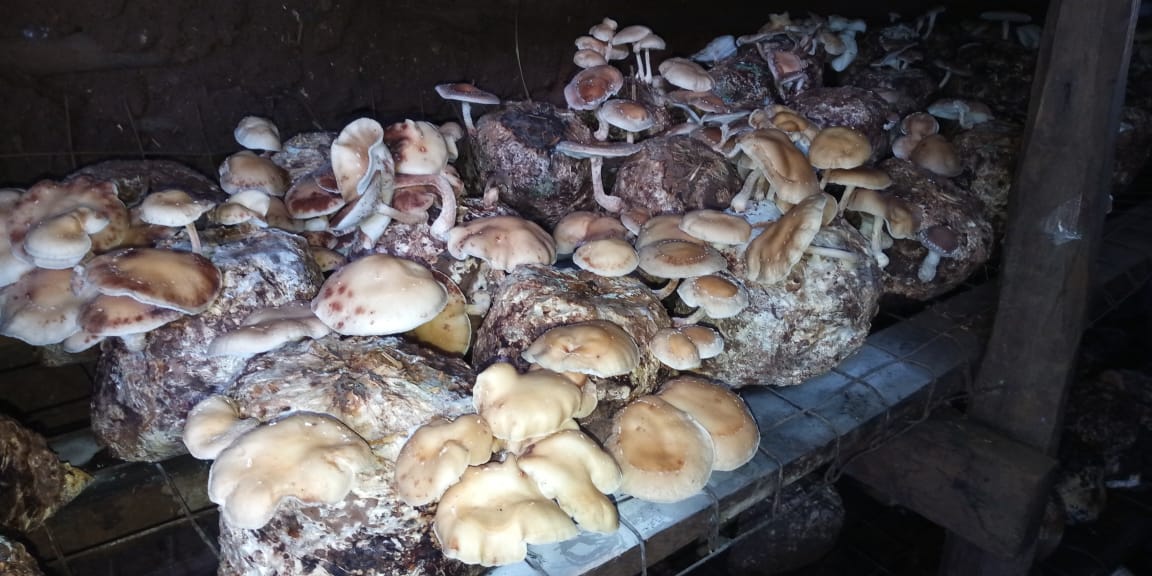
Shiitake fruiting

WhatsApp Image 2019-04-01 at 13.06.58
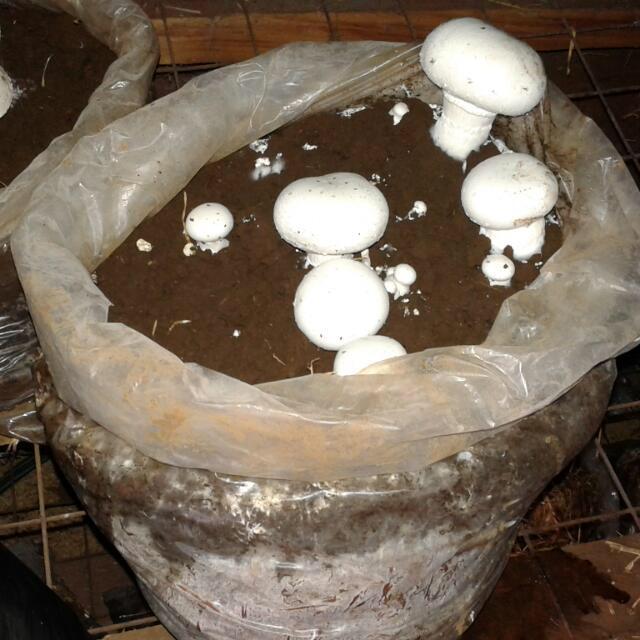
Button mushroom 

Both seeds and grown mushrooms for sale are available at Jomo Kenyatta University of Agriculture and Technology.

Thinking of growing mushrooms ? Jomo Kenyatta University of Agriculture and Technology has a training center to help you in your new venture!


MUSHROOM

MUSHROOM GROWING RESOURCE CENTRE IN JKUAT

After realizing that there is a huge shortage of mushroom supply locally through research, Mr. Patrick Kanyi Muchiri started the project of producing mushroom seeds(Spawn) in 2006. Spawn (mushroom seeds) have a variety which include Button spawn, Oyster, Shiitake and Reish.

Consumers were not aware of the health benefits derived from eating mushrooms. When dry, the mushrooms have 20 per cent protein. This is the same amount found in red meat. But it is also rich in vitamins D and C, minerals and irons.

JKUAT has established a center for mushroom research training and extensions, in order to assist the country with growth of mushroom as an alternative cash crop and eventually enable farmers to export the same.

INNOVATION

DSC00206For very many years’ innovators have worked tirelessly to solve problems in their societies. they search and study on different matters, they can only rest after finding solutions to the problem. Jomo Kenyatta university of agriculture and technology which well known for research embarked on a missseeion to solve problems people of Kenya are facing and the whole world at large. The staff and students have come up with many innovations to help the country achieve its big four agenda which is affordable housing, affordable healthcare, manufacturing and food security.

Some of these innovations are kept in the shelves or the display rooms instead of being implemented due to lack of investors to make the innovators dream come true, yet they would have solved many problems. For some of the innovation that have been implemented and are already in the market they need to be marketed more so that every Kenyan can have access to the information.